
Web Development Maintenance Best Practices
Software maintenance is one of the most important aspects of running a successful web application. Whether you manage a business website, an e-commerce platform, or a custom software solution, regular maintenance ensures your systems remain secure, fast, and reliable.
Many businesses focus heavily on development and launch but overlook ongoing maintenance. Over time, this can lead to performance issues, security vulnerabilities, downtime, and increased operational costs.
Here are some essential software maintenance best practices every business should follow.
1. Regularly Update Dependencies and Frameworks
Modern web applications rely on frameworks, libraries, plugins, and third-party packages. Keeping these components updated helps protect your system from known vulnerabilities and improves overall performance.
Outdated dependencies can create compatibility problems and expose applications to security risks.
2. Perform Routine Security Audits
Cybersecurity threats continue to evolve, making regular security checks essential. Conduct vulnerability scans, monitor suspicious activity, and ensure proper authentication measures are in place.
Security audits help identify weaknesses before they become serious problems.
3. Monitor Website and Application Performance
Performance monitoring helps detect issues such as slow load times, high server usage, or failing services.
Using monitoring tools allows businesses to respond quickly before users are affected.
4. Back Up Data Consistently
Regular backups protect your business from unexpected data loss caused by system failures, cyberattacks, or human error.
Automated backup systems ensure that critical information can be restored quickly when needed.
5. Maintain Clean and Scalable Code
Well-structured code makes future updates easier and reduces technical debt. Development teams should follow coding standards, document changes, and refactor outdated sections when necessary.
Scalable systems are easier to maintain as businesses grow.
6. Test Before Deploying Updates
Every update should be tested in a staging environment before being released to production. This reduces the risk of downtime and prevents bugs from affecting users.
Testing ensures smoother deployments and more reliable applications.
7. Keep Documentation Updated
Accurate documentation helps developers understand system architecture, deployment processes, and troubleshooting procedures.
Good documentation improves collaboration and speeds up maintenance work.
Final Thoughts
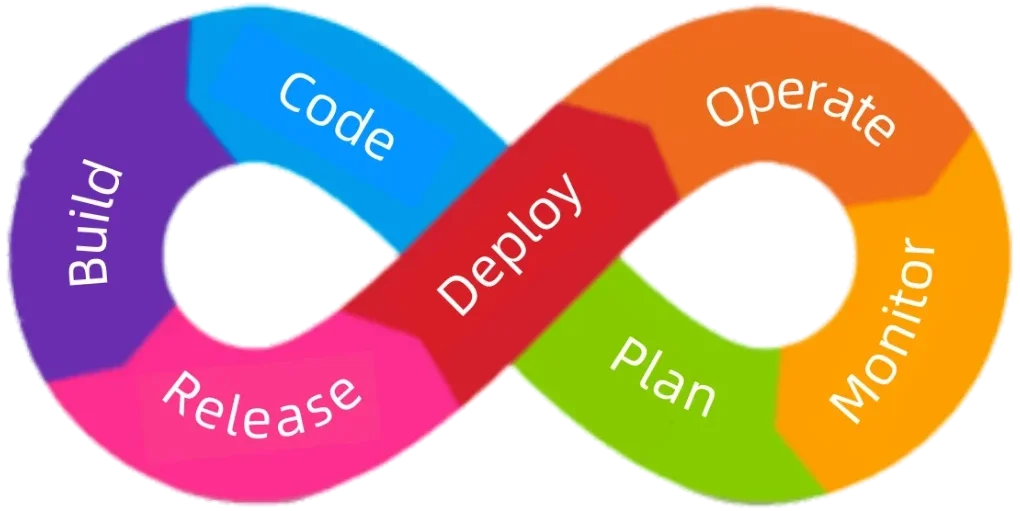
Software maintenance is not a one-time activity – it is an ongoing process that supports security, stability, and long-term business growth.
Organizations that prioritize maintenance reduce operational risks, improve user experience, and extend the lifespan of their digital platforms.
If your business needs professional web development or software maintenance services, investing in proactive support can save time, reduce costs, and improve performance in the long run.


